YOUR MONTHLY DIABETES DOWNLOAD |
|
|
|
For Type 1s, Type 2s, Loved Ones & Healthcare Professionals | JUNE 2026 |
|
|
|
This month we’re talking about two things people with diabetes tend to underestimate: DKA… and teenagers! Dive in for our best tips on how to manage both! |
 |
|
|
|
|
|
Diabetes News | Medications |
|
What if managing diabetes didn’t always mean another shot? With the FDA’s approval of Afrezza for kids and teens, diabetes management can be easier, faster, and more flexible for everyday life. Here’s why families are so excited about this needle-free insulin option.
|
| LEARN THE BENEFITS |
|
|
|
|
|
Complications | DKA Prevention |
|
Most people think DKA only occurs when T1D is first diagnosed or when infusion lines fail. But you aren’t out of the woods if you have type 2 diabetes, use a patch pump, or are on MDI. DKA can happen for other reasons, and often at times when it’s least expected.
|
| RECOGNIZE DKA WARNING SIGNS |
|
|
|
|
|
DKA Prevention | Ketone Testing |
|
High blood sugar isn’t always the primary warning sign for DKA. A lesser-known type of DKA can happen when glucose levels are below 250 mg/dL, making it one of the easiest diabetes emergencies to miss. Here’s how to recognize the signs.
|
| CATCH EUGLYCEMIC DKA |
|
|
|
First Dual Glucose-Ketone Monitoring System Approved in Europe!
|
Diabetes News |
|
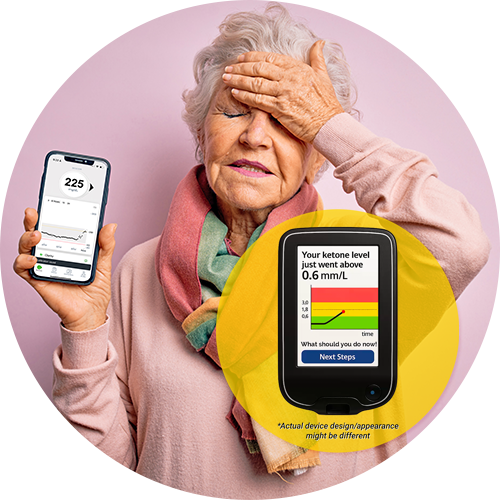
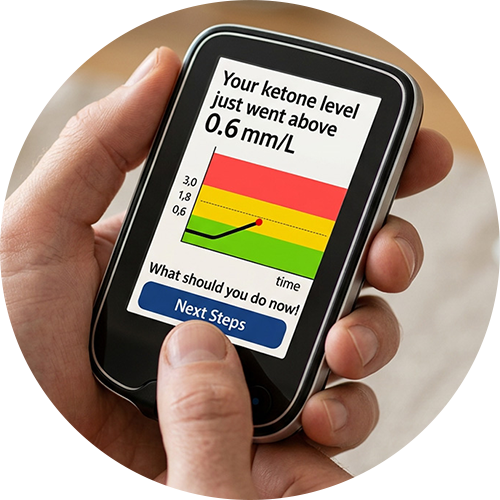
Abbott’s Libre Duo, the world’s first wearable sensor that measures both glucose and ketone levels, was recently approved in Europe. This is a major advancement that may help people catch and treat diabetic ketoacidosis (DKA) early, before it becomes a medical emergency requiring an ER visit and/or hospitalization. Ketones can rise quickly (independent of blood sugar level) during illness, missed insulin doses, pump infusion line issues, dehydration, or while taking certain medications like SGLT2 inhibitors. Currently ketones are typically checked with fingersticks or urine tests, which many people only do after symptoms start. The Libre Duo measures both glucose and ketone levels every minute. The Libre Duo’s technology was designed for integration with AID systems, and is expected to launch in parts of Europe later this year. It’s currently under FDA review in the United States. |
|
|
|
Research Study Opportunity |
|
|
|
|
Paradigm Clinical Research in San Diego is Enrolling for Studies in Type 2 Diabetes
|
Research Study | Type 2 |
|
Type 2 diabetes develops when the body becomes resistant to insulin and the insulin-producing beta cells in the pancreas are no longer able to keep up. Researchers are studying an investigational oral medication that may help improve beta cell function and blood sugar control by enhancing the body’s natural insulin response. You may qualify if you are 18–70 years old, have type 2 diabetes, are currently taking diabetes medications (including Ozempic, for some studies), and are still not at your HbA1c goal. To learn more and see if you qualify, please contact 858-274-4226. |
|
|
|
TCOYD Community Quote of the Month |
|
"I enjoy hearing that even though they are doctors, Jeremy Pettus and Steve Edelman deal with the ups and downs of diabetes care. It helps make me feel that I can have a day that does not go perfect so to speak and not beat myself up emotionally over it - move on and try to make corrections based on what may have happened to cause the issue that occurred. Thank you!" |
Our Vision |
|
TCOYD® is a 501(c)(3) nonprofit educational organization. Our vision is for all people with diabetes and their loved ones to have full access to proper education and therapy, in order to allow for the prevention, early detection, and aggressive management of diabetes and the complications of diabetes. |
 |
|
|
|
Please consider helping TCOYD® improve the lives of those living with diabetes by supporting our virtual educational programs. To learn more, click below. |
| LEARN MORE ABOUT DONATING TO TCOYD |
|
|
|