YOUR MONTHLY DIABETES DOWNLOAD |
|
|
|
For Type 1s, Type 2s, Loved Ones & Healthcare Professionals | SEPTEMBER 2026 |
|
|
|
Who says you can’t put some pedal to the metal when it comes to diabetes? This month, I chased a goal of reaching 100% time in range for three straight days (and caught it!), Jeremy took the new MiniMed Flex for a test drive, and we shared an update on where islet cell replacement therapy is heading. A cure for type 1 diabetes is still down the road, but we’re finally gaining speed! |
 |
|
|
|
|
|
|
|
T1D | Research | Islet Cell Therapy |
|
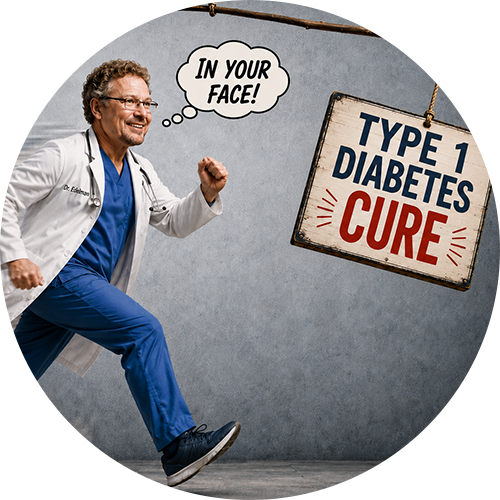
A cure for type 1 diabetes has been dangled in front of our noses for decades like a carrot on a stick, with the promise that it’s only 5-10 years away. But research has recently accelerated, and the race to a cure is finally picking up speed. Find out how close we really are.
|
| SEE WHAT'S COMING |
|
|
|
|
|
T1D | T2D | Technology & Devices | Product Review |
|
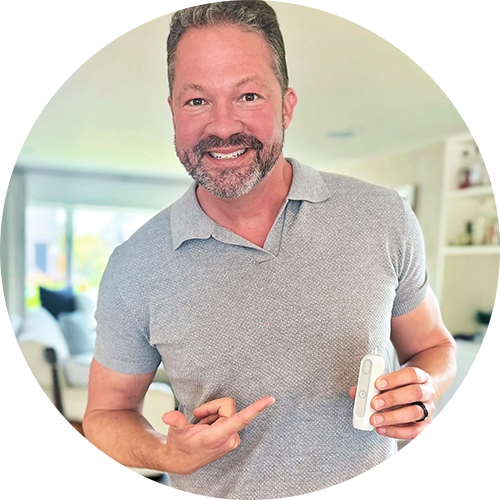
Being forgettable is a good quality to have if you’re an insulin pump. The new MiniMed Flex has that in spades - it’s smaller, sleeker, and easier to wear than the 780G. But does going tiny come with a trade-off? Dr. P weighs the perks of going small against the realities of smartphone-only control. Here’s his real-world take.
|
| GET THE INSIDE SCOOP |
|
|
|
|
|
T1D | T2D | Time in Range | Tips & Tricks |
|
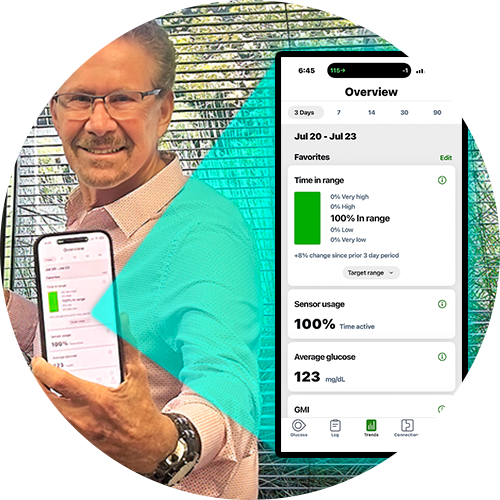
56 years of living with diabetes can get a tad tedious, so Dr. E challenged himself to try to achieve 100% time in range for three days in a row. Find out what was easy, what drove him crazy, and what he had to give up to ultimately reach his goal.
|
| LEARN DR. E'S TRICKS |
|
|
|
World’s First CGM-Ketone Sensor Gets FDA Approval!
|
T1D | T2D | CGM | DKA Prevention |
|
Your CGM could soon have a new superpower! Abbott’s Libre Duo 10 Day system just received FDA approval as the first-ever sensor that continuously monitors both glucose and ketones. The Libre Duo measures beta-hydroxybutyrate (BHB), which is the main ketone associated with impending DKA. The sensor alerts you when ketone levels rise, giving you time to catch DKA before it becomes an emergency. This is especially valuable when you’re sick, experiencing an insulin pump infusion line failure, or taking an SGLT2 inhibitor - all situations that can increase the risk of DKA. Abbott plans to launch the Libre Duo 10 Day in the U.S. later this year. It’s expected to work with Beta Bionics’ iLet and Sequel Med Tech’s twiist AID systems by the end of 2026, followed by Insulet, Tandem, and MiniMed in 2027. |
|
|
|
Research Study Opportunities |
|
|
|
|
San Diego Type 1s...Do You Have T1D and Kidney Disease? We Need Your Help!
|
Research Study | T1D |
|
If you have type 1 diabetes and have been told you have kidney disease, especially protein in your urine (albuminuria or proteinuria), you may qualify for a research study in person at UC San Diego. We’re getting close to the finish line and need your help to complete enrollment! You may qualify if you are between 18 and 70 years old, have had T1D for at least 6 months, have protein in your urine (albuminuria or proteinuria), and have an A1c below 12%.The study includes 8 visits at UC San Diego. Participants receive three different doses of the study medication (acetazolamide) during three separate 2-week periods. Clinic visits are approximately every 2–4 weeks and may last up to 2 hours. Participants receive $150 for time and travel after each completed visit. To see if you qualify, email: t1dresearch@ucsd.edu or call: 858-246-2146. |
|
|
Ozempic for Type 1 Diabetes and Early Kidney Disease
|
Research Study | T1D |
|
UW Medicine is studying how Ozempic affects the kidneys in people with type 1 diabetes who have a small amount of protein called albumin in their urine (urine albumin-to-creatinine ratio of 30 mg/g or more). Study participants will receive Ozempic or a placebo to see how the kidneys respond, and diabetes experts will closely follow your blood sugars. Study sites are in Seattle and Spokane, WA; Denver, CO; and Toronto, ON, Canada. Travel reimbursement may be available. More information can be found at clinicaltrials.gov and UW Medicine Kidney Research Institute. If interested, contact Ernest Ayers at ayerse@uw.edu. |
|
|
|
|
|
TCOYD Community Quote of the Month
"I am so very grateful to TCOYD. I have learned more from your org than any doctor, support group or personal research. The connection with other T1’s is helpful too. You have helped me stay up to date on new tools. You’ve changed my life. Thank you beyond words."
Our Vision
TCOYD® is a 501(c)(3) nonprofit educational organization. Our vision is for all people with diabetes and their loved ones to have full access to proper education and therapy, in order to allow for the prevention, early detection, and aggressive management of diabetes and the complications of diabetes. |
|
|
|
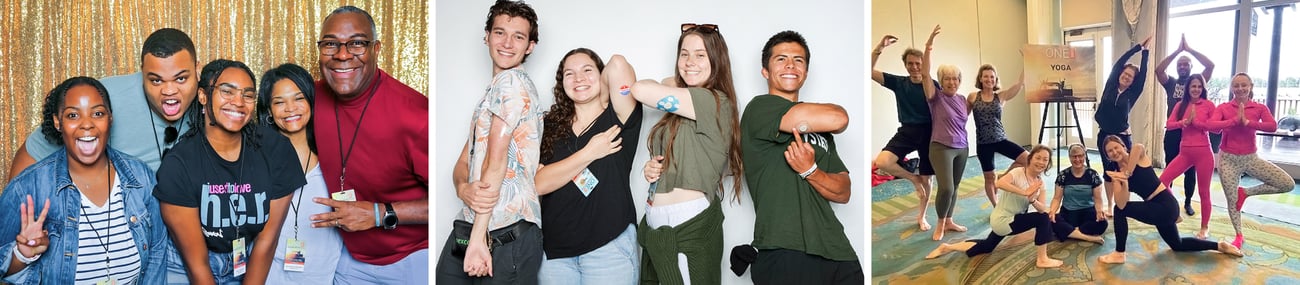 |
Please consider helping TCOYD® improve the lives of those living with diabetes by supporting our virtual educational programs. To learn more, click below. |
| LEARN MORE ABOUT DONATING TO TCOYD |
|
|
|
|